Avocado Oil Mayonnaise Recipe with Pasteurized Eggs

Homemade avocado mayo is a game changer. It’s cheaper than store bought, tastes better, and can be thrown together in less than five minutes. Even better, you can use pasteurized eggs (I sous vide mine) to make it safer for raw preparations. It’s easily scalable and customizable. This is one of those simple recipes that gets you one step closer to cooking from scratch.

Why You’ll Love this Recipe
- Uses real ingredients that you can feel good about
- Customizable to your taste with herbs, spices, and acid variations
- Quick, easy, and scalable
- Pasteurized egg makes it safer for everyone to consume
What You’ll Walk Away Knowing
- What an emulsion is and how to make one
- How to fix a broken emulsion
What is an Emulsion?
An emulsion is a mixture of two liquids that normally don’t want to mix, such as oil and water. In mayonnaise, we coax them together with the help of an egg. Mayonnaise has a few different oil and water components.
Avocado oil is the fat base. Lemon juice or vinegar has water content. A whole egg has both fat from the egg yolk and water from the white.
When blended together in the correct order, the oil suspends in water, creating a creamy spread.

Ingredient List
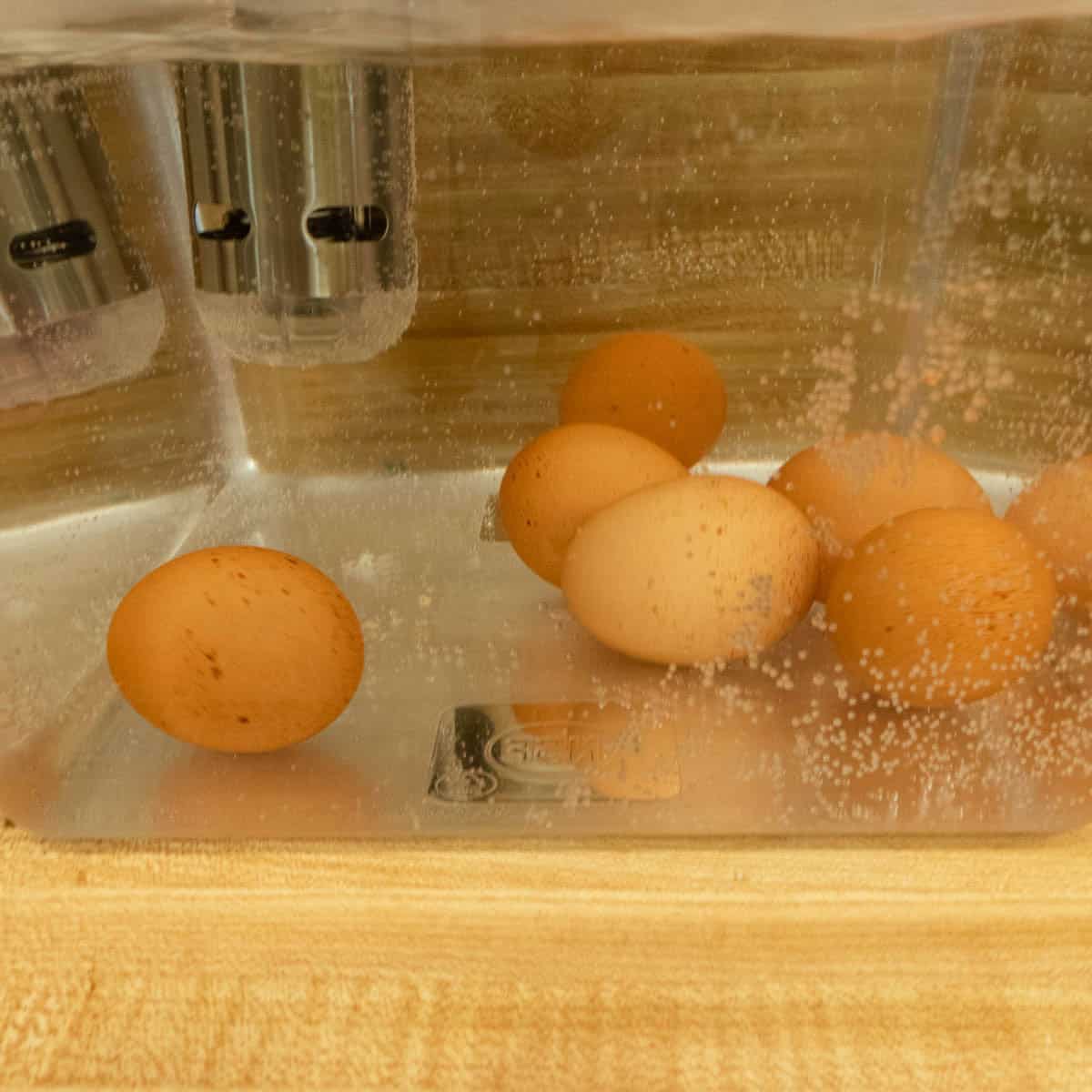
Egg: This recipe calls for a whole raw egg. A whole egg mayonnaise is a more stable emulsion than a yolk alone. You can also use just an egg yolk if you’d like. Use a room temperature egg for easier incorporation into the room temperature oil. I use my immersion circulator to pasteurize the eggs.
Lemon Juice: Acid balances the fat from the egg and oil, cutting through the richness to add brightness. Don’t have lemon juice? White wine vinegar or lime juice works too.
Dijon Mustard: Adds flavor and a bit more acid. If you don’t have Dijon, try a splash of apple cider vinegar and a pinch of dry mustard powder.
Avocado Oil: Great neutral oil. A neutral oil means it has little to no flavor or aroma. Don’t try to use olive oil unless you want a very pungent mayonnaise. Any neutral oil will work such as grapeseed or sunflower oil.

How to Make Avocado Oil Mayonnaise
- In a tall container, add the whole egg, lemon juice, Dijon mustard, and salt in that order. The egg needs to be at the bottom.
- Add the avocado oil on top.

- Place your immersion blender all the way to the bottom of the cup.

- Turn the blender on and hold it at the bottom of the cup. Do not move for about 20 seconds.


- When the mixture goes from oil to a thick white color, slowly lift the immersion blender up and down to incorporate all of the oil into the egg.

- When the entire container is consistently mixed, turn off the blender.
- It’s ready to be transferred to another bowl or used.

Why Did my Emulsion Break?
- You incorporated the oil too quickly
- The ingredients were too cold
- You didn’t emulsify at the bottom of the jar before incorporating the oil
- You over mixed
How to Fix a Broken Mayonnaise
Immersion Blend
- Add a teaspoon of water or Dijon mustard to the jar.
- Put the immersion blender at the bottom of the jar.
- Slowly go up and down with the blender going.
- It should emulsify. Stop immediately once it has
Water/Vinegar Fix (Best for Small Breaks)
- Add 1 tablespoon of warm water or lemon juice/vinegar to a clean bowl.
- Start whisking in the broken mayo slowly
- It often comes back together once enough oil has been re-emulsified into the new liquid base.
Add a New Egg
- Crack a fresh room temperature egg or just the yolk into a clean bowl
- Blend it until it’s creamy
- Slowly, very slowly, add the broken mayo in a thin stream while whisking constantly. Treat it like oil—it basically is now.
Expert Tips
Pasteurize your egg if you’re serving anyone pregnant, elderly, or immunocompromised. Using a raw egg is safe for people with a normal immune system.
You can pasteurize your eggs first to eliminate the risk of salmonella related food borne illness. I use my sous vide circulator at 133°F for 75 minutes. Here is my full guide to sous vide pasteurized eggs.

How to Use Homemade Mayo
Use this mayo as you would use any other. Sandwiches, burgers, devilled eggs, or coleslaw. I use mine as the base for creamy salad dressings.
Storage
Store your mayonnaise in an airtight container in the refrigerator. Keep it in the back of the fridge so it is kept colder than the door of the refrigerator. Store-bought mayo has preservatives and enough acidity to make it shelf-stable. Homemade mayo does not have a low enough pH to prevent bacteria growth over time, which is why it must be refrigerated.
With raw egg: Avocado mayo made from raw egg has a shelf life of 1-3 days because of the risk of salmonella. Use immediately and within the first few days. There is only a little acid in the mayo for flavor, not enough to kill the salmonella and make it safe.
Mayo made with raw egg should be kept cold at all times to avoid the temperature danger zone (40–140°F), where bacteria multiply rapidly.
With pasteurized egg: If you pasteurize your egg, the mayonnaise can last in the refrigerator for a week to 10 days. At this point, it is spoilage that is the concern, not bacteria. Make sure to use clean habits. Don’t dip your knife in the mayo, lick it, and stick it back in.
How to Tell if Your Mayo Has Gone Bad
If there is:
- Weird separation or liquid pooling
- Sulfuric or “off” smell
- Change in color (especially graying or darkening)
- Bitter or sharp taste
When in doubt, throw it out. It’s not worth getting sick over.
FAQs
No. Avocado oil is extracted from the avocado flesh, not the seed.
Yes, but a whole egg is more stable and forgiving, especially if you’re new to making emulsions.
You can use a food processor or whisk by hand. The difference is that you don’t put all the ingredients together in the bowl first. You put everything except for the oil in, whisk or pulse it and slowly stream the oil in while the machine is running or whisking. The immersion blender just makes it easiest and fastest which is why it’s my go to.
Are you ready to make mayo like a chef? Give this recipe a try and let me know in the comments how it turned out. Bonus points if you turned it into a roasted garlic aioli, ranch dressing, or something totally your own.
The Bluster and the Burrow

Avocado Oil Mayonnaise Recipe
Equipment
Ingredients
- 1 whole egg
- 1 tablespoon lemon juice or white vinegar
- 1 teaspoon Dijon mustard
- ¼ teaspoon salt
- 1 cup avocado oil
Instructions
- In a tall container, add 1 whole egg, 1 tablespoon lemon juice or white vinegar, 1 teaspoon Dijon mustard, and ¼ teaspoon salt in that order. The egg needs to be at the bottom.
- Add 1 cup avocado oil on top.
- Place your immersion blender all the way to the bottom of the cup.
- Turn the blender on and hold it at the bottom of the cup. Do not move for about 20 seconds.
- When the mixture goes from oil to a thick white color, slowly lift the immersion blender up and down to incorporate all of the oil into the egg.
- When the entire container is consistently mixed, turn off the blender.
- It’s ready to be transferred to another bowl or used.


This is one of my favorite ways to start cooking from scratch. It’s simple and a quick win.