Old Bay Crab Cakes Recipe

As an Amazon Associate, I earn from qualifying purchases. This post may contain affiliate links. If you purchase through them, I may earn a small commission at no extra cost to you.
Making crab cakes at home is one of those kitchen milestones that quietly levels you up. Not because it’s hard, but because it teaches you to trust yourself; to taste, adjust, and cook with the kind of confidence that store-bought cakes simply don’t offer. This recipe is intentionally built to help you get there: softened shallots for a smoother texture, fish sauce for depth, and a moisture check that guarantees a tender crab cake that won’t fall apart. If you’ve never made crab cakes before, let this be the one you try. You’ll surprise yourself.

Why You’ll Love this Recipe
- A restaurant-quality crab cake that won’t fall apart on you.
- A streamlined method with no crunchy vegetables, no bland bites, no guesswork.
- A recipe that makes you feel like a true home chef—confident, intuitive, and capable of hosting without stress.
What You’ll Walk Away Knowing
- How to assess moisture like a chef so your crab cakes never crumble.
- How to build layered flavor using everyday ingredients plus one secret weapon (fish sauce).
- How to achieve a crisp, golden crust without drying out the tender interior.

Ingredient List
Crab Claw Meat: Refrigerated claw meat is affordable, sweet, briny, and tender—and holds together beautifully. It’s just as delicious as lump crab (if not more so), and far more forgiving. I don’t recommend canned; it’s too wet and the texture isn’t delicate enough.
Mayonnaise: This is your rich, creamy binder that keeps the crab moist and luscious. Homemade mayo tastes incredible here if you have it, but store-bought works beautifully. The key is that mayo adds fat and structure without overpowering the crab.
Egg: Egg helps the crab cake set as it cooks, giving gentle stability. But too much can make the mixture rubbery or “eggy,” which is why this recipe uses a half-egg method and teaches you to adjust based on moisture. It’s structure, not flavor.
Breadcrumbs: Breadcrumbs are your moisture managers. They absorb just enough liquid to prevent your crab cakes from falling apart without making them dense or bread-heavy. They also create a soft, tender interior. A light dusting on the outside gives you that gorgeous golden crust.
Fish Sauce: A tiny amount adds a deep umami richness that most crab cakes are missing. It won’t taste “fishy”, just more complex and restaurant-worthy. Think of it like Worcestershire’s quietly sophisticated cousin.
Shallots: Sautéed shallots bring gentle sweetness and subtle savoriness without any harsh crunch. Softening them first is what makes your crab cakes taste refined instead of rustic. You can also use yellow or sweet onion if you don’t want to get shallots.
How to Make Old Bay Crab Cakes
Soften the Shallots
- Heat a small skillet over medium heat. Add 1 tablespoon of oil and the shallots.
- Cook 5–7 minutes until softened. Cool completely.
Make the Crab Cake Mixture
- Combine mayonnaise, Dijon mustard, Worcestershire, fish sauce, lemon juice, parsley, softened shallots, Old Bay, pepper, garlic powder, and cayenne.


- Add half the egg and half the breadcrumbs; stir.
- Add the crab meat and gently fold.


- Assess the moisture—it should look like slightly wet tuna salad.
- If too dry: add the rest of the egg.
- If it looks slightly wet: add the rest of the breadcrumbs.

- Cover and refrigerate for 1 hour. This hydrates the mixture and helps it set.

Form the Crab Cakes
- Use a biscuit cutter or small bowl.
- Add the crab mixture and gently press down then remove the biscuit cutter
- Refrigerate for 15 more minutes


Cook the Crab Cakes
- Heat a nonstick skillet over medium heat for 5–10 minutes.
- Add 1–2 tablespoons of butter and let melt.
- Sprinkle breadcrumbs on both sides of the crab cakes and add them to the skillet.
- Cook 5 minutes per side until golden and pan-fried to perfection

Expert Tips
The “Tuna Salad Test” Is Your North Star
Your mixture should look like slightly wet tuna salad—never stiff, never soupy. This single cue is the key to crab cakes that hold together and stay tender.
Be Gentle With the Mix
If you’re David from Schitt’s Creek, folding means scooping under and lifting up with a rubber spatula in soft, slow motions. Rotate the bowl as you go, keeping the crab lumps intact. Overmixing leads to dense, sad crab cakes, and we want the opposite.
Breadcrumb Crust = Browning + Insurance Policy
Dusting the outside with breadcrumbs creates a crisp golden crust and helps the cakes release cleanly from the pan.
Chilling Is Essential
That hour in the fridge isn’t optional. It hydrates the breadcrumbs, firms the cakes, and makes flipping them far less anxiety-inducing.
Trust Your Instincts
Recipes give you a roadmap. You decide when the mixture looks right. That’s the difference between a cook and a chef, and this recipe teaches you the difference.
Flip with Confidence
Have the courage of your convictions when you flip. Decide to do it and do it without hesitation. That’s the surefire way to keep it from falling apart.
Storage:
Leftovers keep 2–3 days in the fridge. Reheat in a hot skillet with a splash of oil for the best texture.
Serving Suggestions
First of all, these crab cakes MUST be served with Roasted Red Pepper Sauce. The spicy horseradish, sweet roasted pepper, and creamy mayonnaise bring these crab cakes to a whole other level.
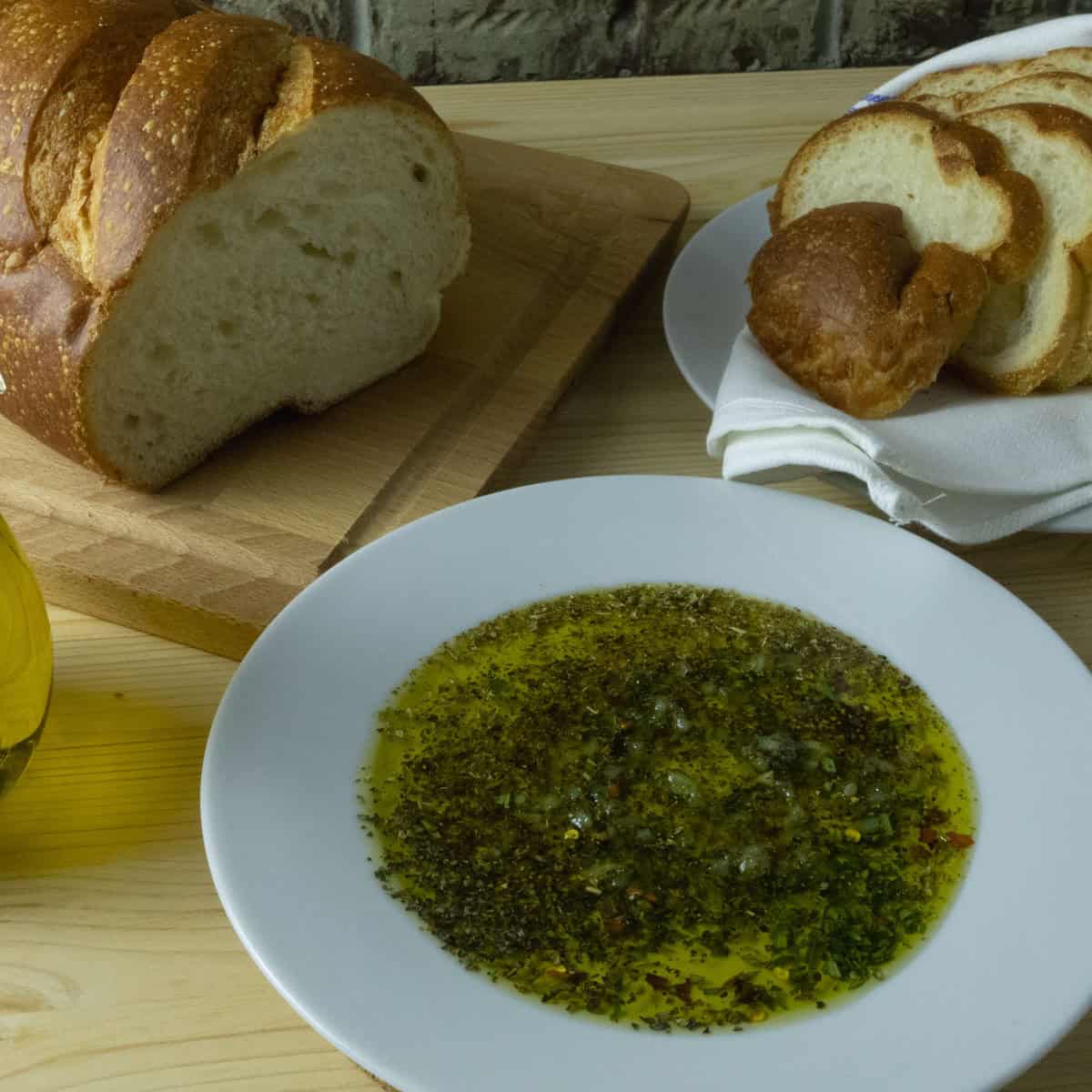
My favorite date night with my husband includes herb oil bread dip, these crab cakes, and a dry brined steak. It’s so decadent that you feel like you’ve gone out to dinner, but with the privacy of being at home.
Crab cakes are also a satisfying side when paired with a lighter entree like my spinach, arugula and steak salad.
A sheet pan shrimp boil would love a platter of crab cakes to accompany it. Double down on all of the seafood goodness.
FAQs
Likely too much moisture. Start with half the egg as written, then assess. Add egg only if the mixture is dry; add breadcrumbs only if it’s too loose.
Yes, but claw meat is cheaper, more flavorful, and actually holds together better. Save your fancy crab for something else.
Raw shallots stay crunchy and sharp—totally wrong for the soft interior of a crab cake. Cooking them brings sweetness and prevents unpleasant bites.
It won’t make anything taste “fishy.” It adds depth and umami the same way Worcestershire or soy sauce does, but more elegantly. It’s your secret chef move.
You can, but you’ll miss the crisp breadcrumb crust that makes these shine. If baking, brush lightly with melted butter and bake at 425°F until golden.
Yes, freeze uncooked crab cakes on a sheet tray, then wrap individually once firm. Cook from frozen, adding 2–3 extra minutes per side.
If recipes like this make you feel powerful in the kitchen—confident, intuitive, a little bit unstoppable—then you’ll love my weekly emails. I share behind-the-scenes testing notes, the recipes I’m dreaming up, and the kind of kitchen wisdom that makes you feel like you’re leveling up with every meal. Keep what serves you, and leave the rest behind. Your next favorite recipe is already waiting.
The Bluster and the Burrow

Old Bay Crab Cakes
Equipment
- 3 inch biscuit cutter
Ingredients
- ½ lb crab claw meat
- ¼ cup mayonnaise
- 1 egg
- ⅓ cup breadcrumbs
- 1 tablespoon Dijon mustard
- 1 teaspoon Worcestershire
- ½ teaspoon fish sauce
- 1 tablespoon lemon juice
- 3 tablespoons parsley
- 1 tablespoon shallots minced
- ¼ teaspoon Old Bay
- ¼ teaspoon pepper
- ¼ teaspoon garlic powder
- ⅛ teaspoon cayenne
- 2 tablespoons butter
- 1 tablespoon avocado oil
Instructions
Soften the Shallots
- Heat a small skillet over medium heat. Add 1 tablespoon avocado oil and 1 tablespoon shallots.
- Cook 5–7 minutes until softened. Cool completely.
Make the Crab Cake Mixture
- Combine ¼ cup mayonnaise, 1 tablespoon Dijon mustard, 1 teaspoon Worcestershire, ½ teaspoon fish sauce, 1 tablespoon lemon juice, 3 tablespoons parsley, softened shallots, ¼ teaspoon Old Bay, ¼ teaspoon pepper, ¼ teaspoon garlic powder, and ⅛ teaspoon cayenne.
- Add half the egg and half the breadcrumbs; stir.
- Add the ½ lb crab claw meat and gently fold.
- Assess the moisture—it should look like slightly wet tuna salad. If too dry: add the rest of the egg. If it looks slightly wet: add the rest of the breadcrumbs.
- Cover and refrigerate for 1 hour. This hydrates the mixture and helps it set.
Form the Crab Cakes
- Use a biscuit cutter or small bowl.
- Add the crab mixture and gently press down then remove the biscuit cutter
- Refrigerate for 15 more minutes
Cook the Crab Cakes
- Heat a nonstick skillet over medium heat for 5–10 minutes.
- Add 2 tablespoons butter and let melt.
- Sprinkle breadcrumbs on both sides of the crab cakes and add them to the skillet.
- Cook 5 minutes per side until golden and pan-fried to perfection
Notes
Your mixture should look like slightly wet tuna salad—never stiff, never soupy. This single cue is the key to crab cakes that hold together and stay tender. Be Gentle With the Mix
If you’re David from Schitt’s Creek, folding means scooping under and lifting up with a rubber spatula in soft, slow motions. Rotate the bowl as you go, keeping the crab lumps intact. Overmixing leads to dense, sad crab cakes, and we want the opposite. Breadcrumb Crust = Browning + Insurance Policy
Dusting the outside with breadcrumbs creates a crisp golden crust and helps the cakes release cleanly from the pan. Chilling Is Essential
That hour in the fridge isn’t optional. It hydrates the breadcrumbs, firms the cakes, and makes flipping them far less anxiety-inducing. Trust Your Instincts
Recipes give you a roadmap. You decide when the mixture looks right. That’s the difference between a cook and a chef, and this recipe teaches you the difference. Flip with Confidence
Have the courage of your convictions when you flip. Decide to do it and do it without hesitation. That’s the surefire way to keep it from falling apart. Storage:
Leftovers keep 2–3 days in the fridge. Reheat in a hot skillet with a splash of oil for the best texture.




This is the appetizer that made me want to start cooking restaurant recipes at home. Check out my roasted red pepper sauce recipe!