Roasted Pork Tenderloin with Dijon Mustard Sauce

Roasted Pork Tenderloin with Dijon Cream Sauce is a simple dinner that tastes like it came from a restaurant kitchen. It comes together quickly, uses familiar ingredients, and feels quietly luxurious without requiring advanced prep or fancy technique.
This is the recipe I make when I want dinner to feel deliberate without feeling dramatic. It’s quiet confidence on a plate: tender pork, deeply savory mushrooms, and a silky Dijon cream sauce that tastes like it required a white apron and a French accent, but didn’t.
This recipe teaches without lecturing. You can dry brine the pork if you want deeper seasoning and a little chef satisfaction, but you don’t have to. Either way, you’ll end up with juicy pork on a Wednesday night.

Why You’ll Love this Recipe
- Quick enough for a weeknight, elegant enough for guests
- A luxurious Dijon cream sauce that tastes restaurant-level
- Flexible technique: you can dry brine or skip it and still succeed
What You’ll Walk Away Knowing
- How to dry brine pork tenderloin
How to Dry Brine
Dry brining seasons meat from the inside out and helps it retain moisture while cooking. When you salt the pork, the salt draws moisture to the surface through osmosis. Those beads of moisture dissolve the salt, and over time, that seasoned liquid is reabsorbed back into the meat. The result is pork that’s more evenly seasoned and juicier after cooking.
Dry brining is also simpler and less messy than wet brining. There’s no liquid brine, no bulky container, and no need to clear fridge space for a bowl of salty water.
You can dry brine pork tenderloin in one of two ways:
- In a sealed container or bag, which is ideal if you prefer not to have raw meat exposed in the fridge
- On an open plate, uncovered, which helps the surface dry slightly for better searing
Use Kosher salt or sea salt to season the pork. Table salt is too harsh and metallic. I use Redmond Real Salt. I don’t measure my salt here. I use a generous three-finger pinch and salt the pork thoroughly on all sides. Refrigerate for 24 hours for best results. You can go up to 48 hours without negatively affecting the texture of the meat.

Ingredient List
Pork Tenderloin: Pork tenderloins are usually sold in packs of two, which is why this recipe uses both. Try to choose tenderloins that are similar in size so they cook evenly.
Mushrooms: I use white button mushrooms, but you can use any fresh mushrooms that you like.
Dijon Mustard: This is the backbone of the sauce. Dijon has a mellow, sophisticated heat that blends smoothly with cream. Yellow mustard is too sharp and one-note here and shouldn’t be substituted.
Rosemary & Thyme: Dried herbs work beautifully in this sauce. If using fresh, use 1½ teaspoons each, finely chopped.
Cayenne: Adds warmth without noticeable heat. You can omit it, but it subtly rounds out the sauce.
How to Make Pork Tenderloin
Dry Brine the Pork (Optional)
- Pat the pork tenderloins completely dry with paper towels
- Salt generously on all sides
- Place in a sealed container or on a plate and refrigerate for 24 hours


Cook the Pork & Make the Sauce
- Preheat the oven to 400°F
- Heat a large oven-safe skillet or Dutch oven with a lid over medium-high heat
- Pat the pork dry again and add 1–2 tablespoons neutral oil (avocado, grapeseed, or light olive oil) to the pan before searing.
- Sear the tenderloins on all sides, about 3–5 minutes per side, until well browned

- Remove pork from the pan and set aside
- Add mushrooms and onion to the skillet and cook 10–15 minutes, until softened and beginning to brown
- Add garlic powder, onion powder, rosemary, thyme, cayenne, and salt, then stir to coat the vegetables
- Nestle the pork back into the pan and transfer to the oven
- Roast for about 15 minutes, until the pork reaches 140–145°F
- Remove the pork from the pan and let it rest 5–10 minutes before slicing
- Return the skillet to the stovetop, add Dijon and cream, and simmer until thickened. Don’t heat too high or the sauce will split. The sauce should lightly coat the back of a spoon.
- Turn off heat and stir in chopped parsley

Expert Tips
1. Pork tenderloin is lean so treat it gently.
Overcooking is the only real sin here. Pull the pork when it hits 140–145°F, then let it rest. It will finish cooking as it relaxes, and you’ll be rewarded with slices that stay juicy.
2. Dry brining is optional, not mandatory.
Dry brining for 24 hours seasons the pork throughout and improves moisture retention, but if you forgot, didn’t plan ahead, or simply didn’t feel like it? You’re still going to eat well. Just salt generously before searing.
3. Pat the pork dry.
Moisture is the enemy of a good sear. Dry pork = better browning = deeper flavor = you feeling like you know what you’re doing (because you do).
4. Don’t rush the mushrooms.
Let them cook until they’ve released their moisture and started to brown. This is where the sauce gets its savory backbone. Pale mushrooms make pale, dull sauces.
5. Kill the heat before adding parsley.
Fresh herbs lose their magic when scorched. Stir them in at the end so they stay green, fragrant, and alive.
Storage:
Store leftover pork and sauce together in an airtight container for up to 3 days in the fridge. Reheat gently over low heat with a splash of cream or broth to loosen the sauce. Microwave quickly until heated or it will dry out.
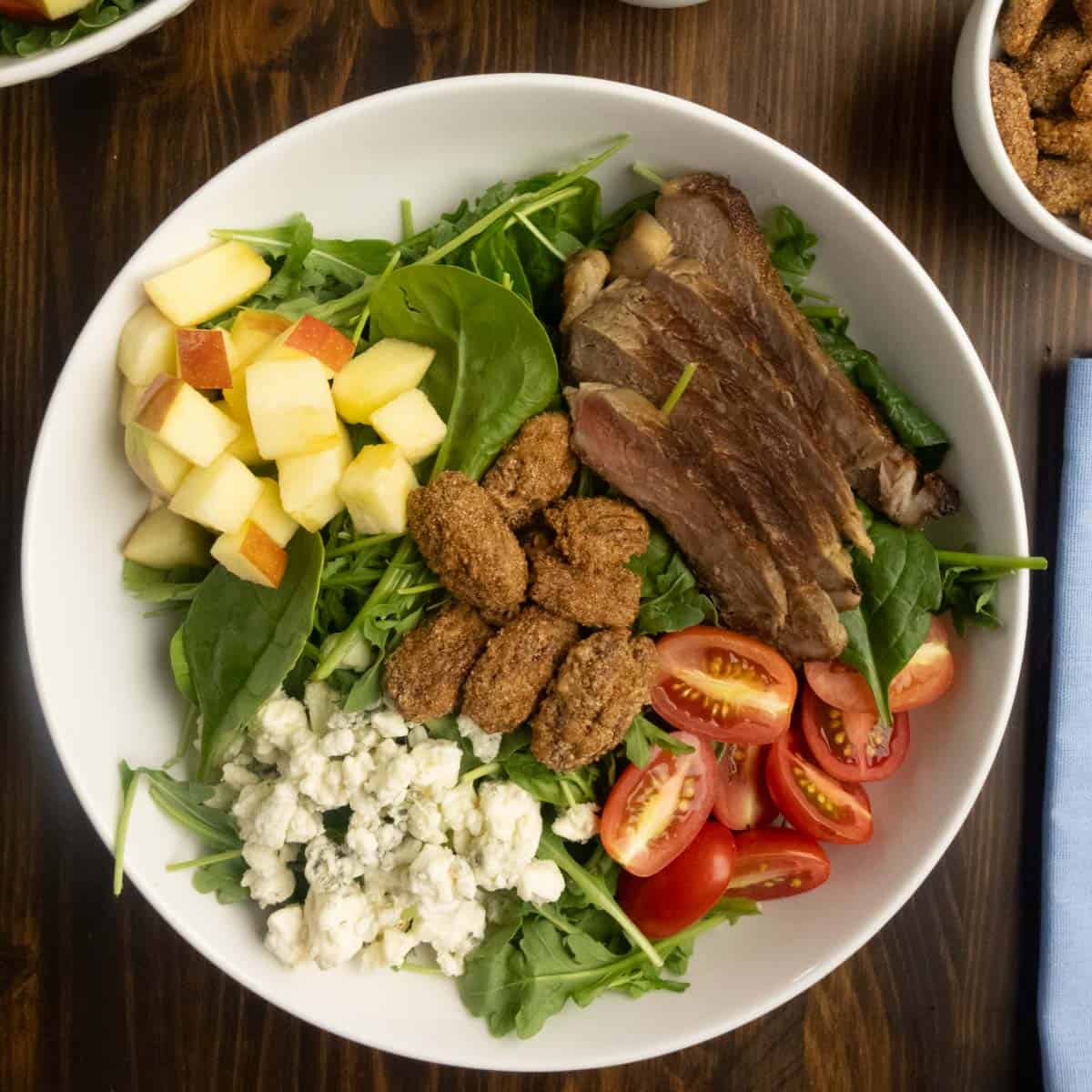
Sides to Serve with Pork Tenderloin
If you want to elevate this recipe, slice the pork and finish with a light grating of salt-cured egg yolk just before serving. It adds a concentrated savory note that pairs especially well with pan sauces, apples, or roasted vegetables.
FAQs
No, and this is important. Pork loin is thicker, tougher, and cooks differently. Tenderloin is smaller, leaner, and designed for quick roasting. Subbing loin here will lead to a dry, tough disappointment.
It usually just needs a minute more to simmer. Dijon mellows as it cooks. If it still feels aggressive, add a splash more cream or a tiny pinch of salt to round it out.
You can prep components ahead. You can dry brine the pork, slice the mushrooms and onions, but cook it fresh if possible. Pork tenderloin is at its best right after resting, when the juices are still exactly where you want them.
Not really. It adds warmth, not heat. Think glow, not fire. You can omit it, but it subtly makes everything taste more complete.
Let it simmer for another minute or two. Cream thickens as it reduces, and it thickens even more as it cools.
If you love dinners that feel intentional, cozy, and subtly impressive, save this recipe and make it part of your rotation. And if you want more from-scratch meals that teach technique without stress, join my newsletter.
The Bluster and the Burrow

Roasted Pork Tenderloin with Dijon Mustard Cream Sauce
Ingredients
- 2 pork tenderloins
- 8 ounces white button mushrooms
- 1 medium onion sliced
- 1 cup heavy cream
- ¼ cup Dijon mustard
- ½ teaspoon dried rosemary
- ½ teaspoon dried thyme
- ½ teaspoon salt
- ½ teaspoon garlic powder
- ½ teaspoon onion powder
- ⅛ teaspoon cayenne
- 2 tablespoons parsley chopped
Instructions
Dry Brine the Pork (Optional)
- Pat the 2 pork tenderloins completely dry with paper towels
- Salt generously on all sides
- Place in a sealed container or on a plate and refrigerate for 24 hours
Cook the Pork & Make the Sauce
- Preheat the oven to 400°F
- Heat a large oven-safe skillet or Dutch oven with a lid over medium-high heat
- Pat the pork dry again and add 1–2 tablespoons neutral oil (avocado, grapeseed, or light olive oil) to the pan before searing.
- Sear the tenderloins on all sides, about 3–5 minutes per side, until well browned
- Remove pork from the pan and set aside
- Add 8 ounces white button mushrooms and 1 medium onion to the skillet and cook 10–15 minutes, until softened and beginning to brown
- Add ½ teaspoon garlic powder, ½ teaspoon onion powder, ½ teaspoon dried rosemary, ½ teaspoon dried thyme, ⅛ teaspoon cayenne, and ½ teaspoon salt, then stir to coat the vegetables
- Nestle the pork back into the pan and transfer to the oven
- Roast for about 15 minutes, until the pork reaches 140–145°F
- Remove the pork from the pan and let it rest 5–10 minutes before slicing
- Return the skillet to the stovetop, add¼ cup Dijon mustard and 1 cup heavy cream, and simmer until thickened. Don’t heat too high or the sauce will split. The sauce should lightly coat the back of a spoon.
- Turn off heat and stir in 2 tablespoons parsley.
Notes
- Pork tenderloin is lean so treat it gently.
Overcooking is the only real sin here. Pull the pork when it hits 140–145°F, then let it rest. It will finish cooking as it relaxes, and you’ll be rewarded with slices that stay juicy. - Dry brining is optional, not mandatory.
Dry brining for 24 hours seasons the pork throughout and improves moisture retention, but if you forgot, didn’t plan ahead, or simply didn’t feel like it? You’re still going to eat well. Just salt generously before searing. - Pat the pork dry.
Moisture is the enemy of a good sear. Dry pork = better browning = deeper flavor = you feeling like you know what you’re doing (because you do). - Don’t rush the mushrooms.
Let them cook until they’ve released their moisture and started to brown. This is where the sauce gets its savory backbone. Pale mushrooms make pale, dull sauces. - Kill the heat before adding parsley.
Fresh herbs lose their magic when scorched. Stir them in at the end so they stay green, fragrant, and alive.
Store leftover pork and sauce together in an airtight container for up to 3 days in the fridge. Reheat gently over low heat with a splash of cream or broth to loosen the sauce. Microwave quickly until heated or it will dry out.


This is a quick and simple way to use techniques to intensify the flavor of your meal.